Enhancing Memory with BCI Technology | A Revolution in the Human Mind
Enhancing Memory with BCI Technology

Introduction
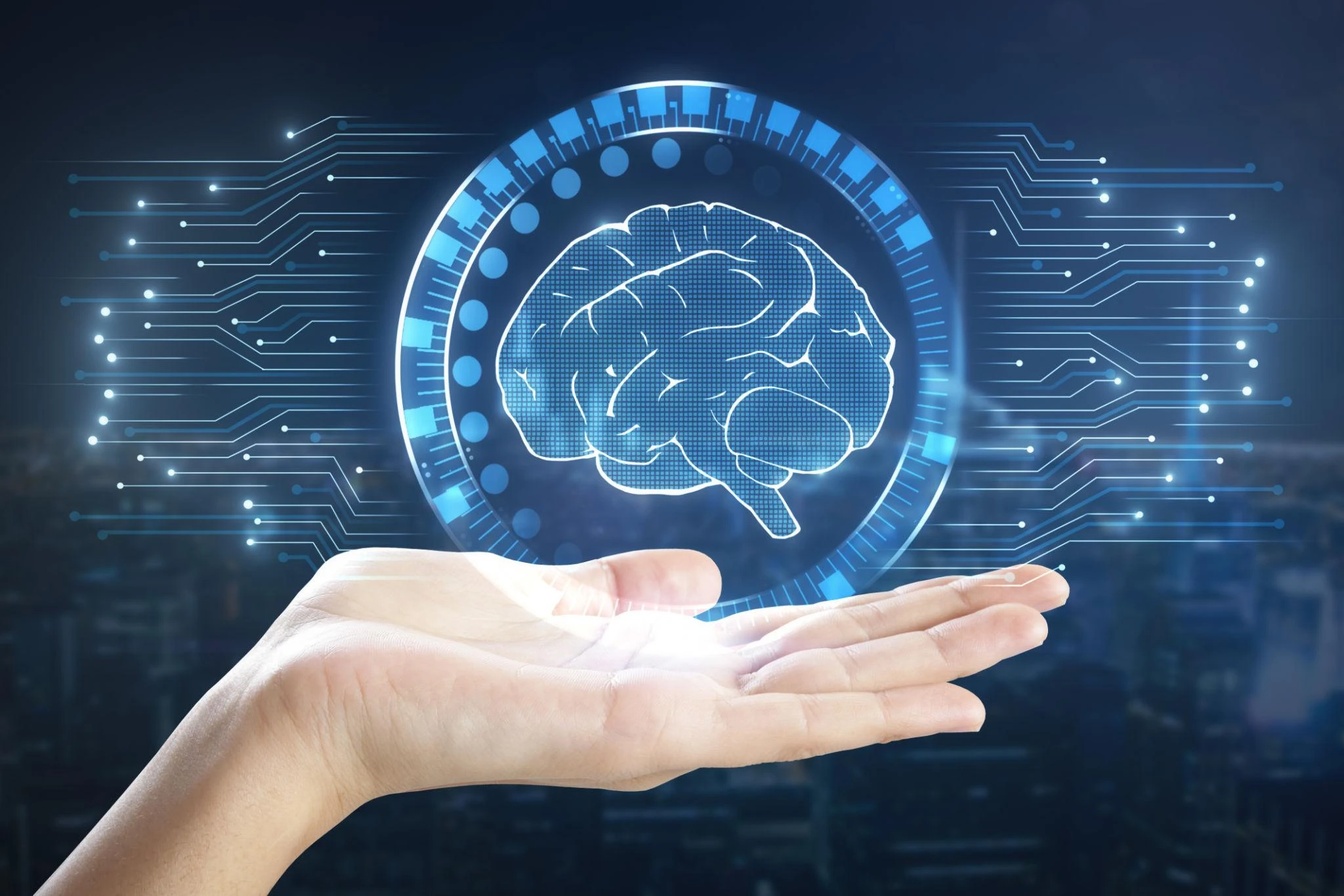
We are living in an era where the human mind is no longer seen as a fixed or limited boundary. Just as tools once extended our physical abilities, technology is now stepping into a far more complex domain: enhancing the brain itself.
Imagine being able to learn faster than ever, forget less, and even intentionally strengthen your memory. This is no longer just a science fiction concept—it is a path being shaped by emerging technologies such as Brain-Computer Interfaces (BCI).
BCI represents an attempt to create a shared language between neural activity and digital systems—a bridge capable of reading, interpreting, and potentially improving brain signals. This capability makes it one of the most promising approaches for enhancing cognitive functions, particularly memory.
In this context, the real question is no longer “Can we improve memory?” but rather, “How far can we enhance it?”—and this is where BCI becomes truly significant.
In this article, we take a deeper look at how this technology works, how it can impact human memory, and why many experts—as well as forward-thinking organizations like Pishgaman Lotus—consider it one of the most important technologies shaping our future.
How Does BCI Work and What Role Does It Play in Memory Enhancement?
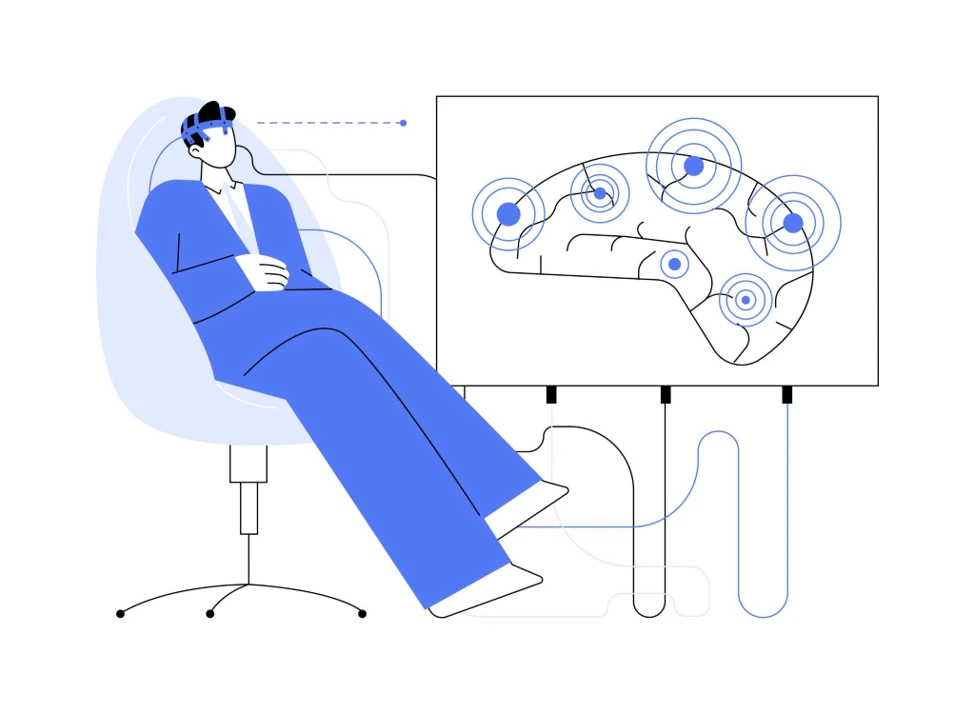
When we talk about Brain-Computer Interfaces (BCI), we are referring to a technology that can directly connect to one of the most complex systems in the human body—the brain. But here’s the key point: BCI is not just a communication tool; it has the potential to become a powerful system for optimizing and enhancing memory performance.
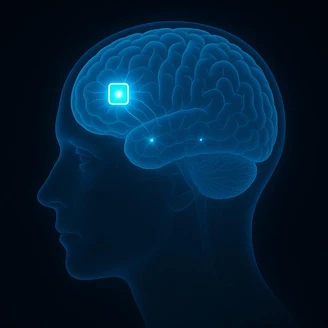
At its core, a BCI captures neural signals from the brain, analyzes them, and, when needed, delivers targeted feedback. However, when applied to memory, this process goes far beyond simple interaction.
BCI systems can identify neural patterns associated with learning and memory formation—and even help strengthen them. This means memory is no longer just a fixed, natural ability; it becomes something that can be adjusted, improved, and optimized.
How BCI Works in Relation to Memory:
🔹 Capturing Brain Signals
At this stage, neural activity—especially in regions associated with memory—is recorded. These signals reveal how the brain processes and stores information.
🔹 Analyzing and Identifying Memory Patterns
Advanced systems analyze these signals to detect patterns linked to learning, focus, and recall.
🔹 Providing Targeted Feedback or Stimulation
BCI can then deliver precise signals to reinforce neural pathways—the same pathways responsible for encoding and retrieving information.
🔹 Optimizing Learning and Recall Processes
As a result, the brain gradually becomes more efficient: information is stored more effectively and retrieved more quickly.
One of the most fascinating aspects of this technology is that all of this can happen without any physical movement or traditional interaction with devices. In fact, it creates a form of communication where thinking alone can be enough.
In such a model, memory is no longer solely dependent on repetition and practice—it can be intelligently enhanced and managed with the help of technology, something that until recently felt more like science fiction than reality.
The Role of BCI in Memory Enhancement
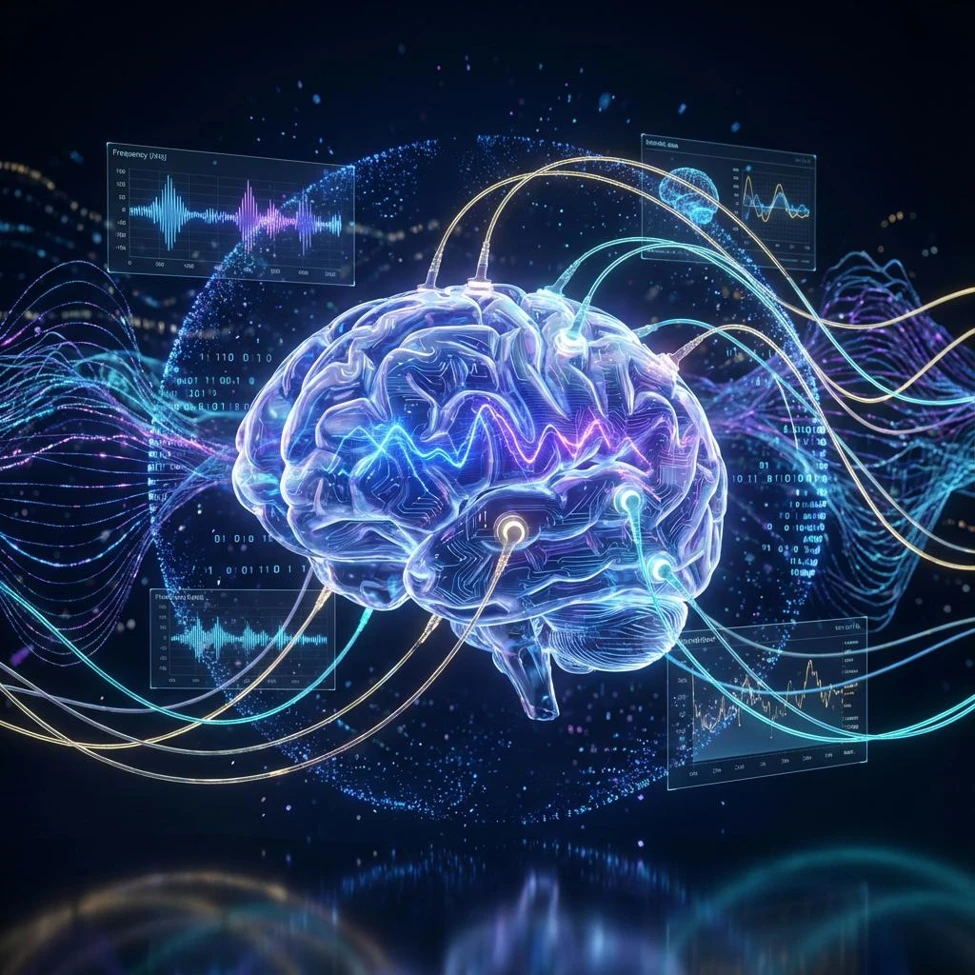
Memory involves three main stages: encoding, storage, and retrieval. BCI has the potential to improve all three:
1. Enhancing Information Encoding
BCI can stimulate specific brain regions to improve focus and accelerate learning, allowing information to be stored more effectively.
2. Improving Memory Retrieval
By identifying neural patterns linked to specific information, BCI can help make recall faster and more accurate.
3. Reducing Forgetting
BCI may help stabilize neural pathways, reducing the likelihood of memory loss over time.
Real-World Applications of BCI
Although BCI is still evolving, its applications are highly promising:
Assisting patients with memory disorders (e.g., Alzheimer’s)
Enhancing learning for students
Improving cognitive performance in healthy individuals
Supporting better focus in professional environments
Companies like Pishgaman Lotus are also exploring innovative solutions in this space, aiming to bridge neuroscience and advanced technology.
Benefits of Using BCI for Memory
Faster learning speed
Improved concentration
Stronger long-term memory
Reduced cognitive errors
Personalized cognitive enhancement
The Other Side of BCI
Despite the exciting potential of BCI technology in enhancing memory and cognitive performance, this field is not without its challenges. In fact, the closer technology gets to the human brain, the more sensitive and complex the associated issues become.
One of the most critical concerns is brain data privacy. Unlike conventional digital data, neural signals can reveal deeply personal information about thoughts, emotions, and behavioral patterns. Protecting this type of data requires highly advanced security frameworks and clear regulatory policies.
Additionally, BCI technology is still evolving and requires more extensive research and testing. Many memory-enhancement applications have not yet been validated on a large scale or over long periods, making it essential to further evaluate their safety, stability, and effectiveness.
Another significant barrier is the high cost and limited accessibility of BCI systems. Developing and maintaining such advanced technologies demands specialized expertise and expensive equipment, which may restrict widespread adoption in the near future.
Finally, ethical considerations play a crucial role in shaping the future of BCI. Questions such as “Who owns brain data?” or “Could memory enhancement create inequality?” highlight the need for careful ethical evaluation before mass implementation.
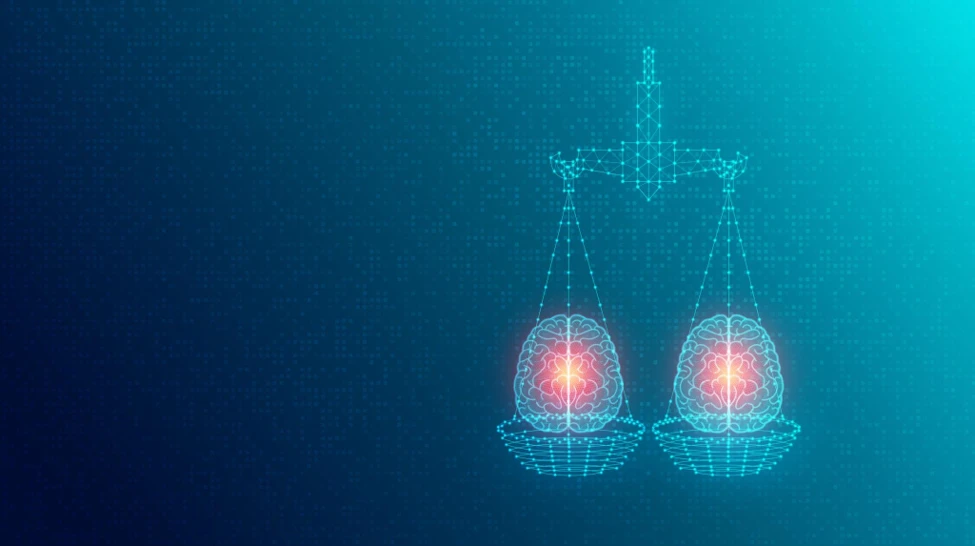
Overall, the advancement of BCI is not just a technological journey—it is a complex intersection of science, ethics, and thoughtful policymaking.
Conclusion
Brain-Computer Interface (BCI) is one of the most exciting technological advancements of our time. It has the potential to revolutionize how we learn, remember, and interact with information.
While still in its early stages, its potential for enhancing human memory is undeniable. With continued innovation and contributions from companies like Pishgaman Lotus, we may soon unlock new levels of human cognitive performance.
برچسبهای بلاگ
Have special project to begin?
Contact us if you need a unique website for your special requirements, if you think having a mobile application help you reach your business’s goals or you still do not recognize which product can help you implement your ideas. Lotus Pioneers accompany you to develop your business through consulting and by designing special products.